SuperZoo 2026 Recap: The Conversations That Never Make It Into a CRM
I'll admit something that probably isn't great marketing for a compliance company: for years, I dreaded going to trade shows.
Superzoo is a floor full of innovation.There are new proteins, new formats, and exciting new brands. There are founders who are genuinely thrilled about what they've built.
And then there's us … the compliance people. Nobody walks a show floor hoping to bump into their regulatory consultant.
I’m not being falsely modest here. People go to Superzoo to promote their brands, network, and learn things that will take their business to the next level, not talk about the Louisiana small package speciality fee. (Though those changes are honestly pretty exciting!)
But this dynamic is real and for a while I let it define how I showed up. I'd go because I knew our company “should” be there and I'd talk to the people who passed our booth because that's what you do. And I'd leave a little drained.
It took a few years to register, but something has changed and it clicked this year in Las Vegas, walking the floor with our COO.
Even though we’re a company called Pet Food Compliance, compliance isn't what we sell. We're not in the business of telling people what they can't do.
The most valuable conversations we have aren't about label copy or tonnage filings. They're about timing.
When should you start thinking about regulatory requirements?
The honest answer is always "sooner than you are" but the most useful answer depends entirely on where you're standing.
A pre-launch startup and a Fortune-scale manufacturer are asking the same question with completely different stakes. So is an established startup about to land its first real distribution win, which might be the single moment where getting this right or wrong compounds the hardest.
So the conversations we’re having are really about strategy more than the ins and outs of naming standards. It's a founder conversation.
And it turns out people actually want to have that conversation … as opposed to the conversation where we show up at the end of the production process to explain why they need to rename their product and redesign their label.
Once I understood that's what we were bringing to the floor, the whole experience flipped. Superzoo stopped being a draining experience I “had to” do and became a place I draw energy from.
Seeing Our Partners Succeed In Big Ways
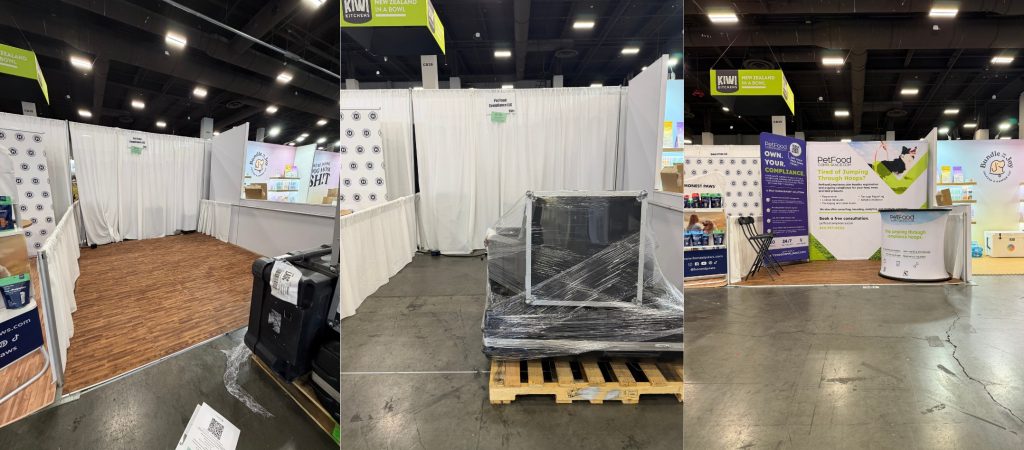
Booth after booth after booth, our partners were bigger this year. They had better spaces with more staff working them and more product on the shelves behind them. And I’m not talking about one or two standouts! This was a pattern, repeating across the floor, company after company.
And while I knew that our clients were doing well, you don’t get these sorts of insights from a quarterly status call. You get it from walking a show floor and physically seeing how much room the people you work with are taking up compared to last year.
In fact, our very first partner in the pet space started out as a small booth in the international section. They had one or two people and were pretty easy to overlook. They're now in one of the largest spaces at most shows we attend.
Now, I can't claim we contributed to any of this. That growth belongs to them and the visions they held onto and executed on. But we were in the room where it happened; we were there for the early versions and we're here for the biggest-booth-at-the-conference versions.
Being a partner to people who are building something — that's the part I’ve learned to appreciate on my annual flight to Vegas. (I definitely do not appreciate the Southwest jingle. Dear God, let it end.)
Things That Don’t Show Up In the CRM
Recurring gatherings like Superzoo also allow us to step outside of the process for a minute.
The rest of the year, our relationships run through workflows, intake forms, and review cycles. These are all necessary and good but process has a way of flattening a relationship into a series of transactions.
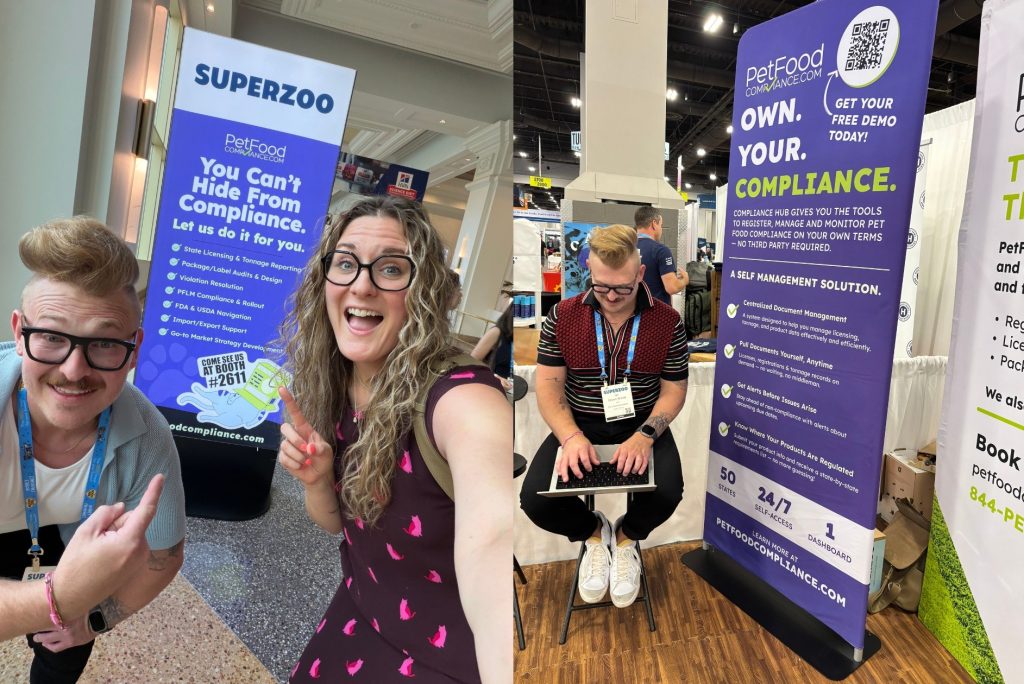
At a show, you get to stand across from someone and have an actual conversation about the value you're creating together and the things you both believe in. You can laugh about your score at the Mandalay Bay mini golf or share tips on the best buffets in Vegas - it’s The Bacchanal Buffet at Caesars Palace, FYI.
These conversations don’t really fit anywhere in a CRM, but they’re the things I protect first.
What was different this year
If I'm looking for an indicator (hey, I’m still a data guy!) instead of just sentiment, three things stood out at Superzoo 2026:
- We saw more traffic stopping by our booth and not a marginal amount
- There were people seeking us out. That's the one that matters most. It means the conversations from previous years traveled; somebody referred a friend.
- More reconnection with partners. We had genuine points of contact with people we already work with, which is its own kind of validation.
The Reflection Point
What I've come to appreciate about an annual show is that it's a fixed marker. Every year I can look back at where we were standing twelve months earlier — what we were saying, who was stopping by, what we were still figuring out.
By that measure, it's exciting as hell to be where we are and it's just as exciting to watch where our partners are.
If you’re just getting started in the pet food industry
If you're wondering where to start, or how to jump into any of this, that's the conversation we like having most. It's the whole reason we go to Superzoo!
And if you’re wondering if it's normal for huge conferences to feel uncomfortable at first — to walk the floor unsure if you’re in the right place— the answer is yes.
I dreaded it for years and it was still worth going.
Keep showing up and to those that have shown up, I (we, our team) see you – you rock!
See you at the next one.
Deven Wisner, CEO & Founder
Pet Food Compliance
Catch us at AAFCO in San Diego and Global Pet Expo 2027. Or don't wait! Drop us a note or grab a time on my calendar to chat about how we can work together.
More Industry Updates
Join Our Newsletter
Good stuff only — we promise!
