
To get access to the PAW platform or create an account or access please contact rc@petfoodcompliance.com.
“Chicken for Dogs” Requires 95% Chicken. “With Chicken” Requires 3%. Here’s What Every Pet Food Brand Needs to Know.
A few months ago, a friend and I ducked into a cozy, vibey, high-ish end restaurant for lunch. We settle into the corner booth and look over the menu.
Now, something you should know about me is that if there are crab cakes on the menu, I will be ordering them; same goes for Bloody Marys. And because this is a nice place, the crab cakes are priced accordingly. They arrive golden, gorgeous, perfectly plated, and smelling appropriately seafood-y. I eat them happily while my friend and I catch up on each other’s lives.
Later, I flip over the menu in search of dessert and notice an asterisk: "made with natural crab flavor." The main protein: Alaska pollock. There's enough crab-adjacent something in there to call it crab-flavored, but the star of the dish is decidedly not crab and I very much paid crab prices for my lunch. Not exactly the experience or the meal I was looking for.
Now imagine you're the pet owner who just paid a premium for "Chicken for Dogs" and eventually realizes the bag contains 3% chicken.
That's the gap the AAFCO naming rules exist to close. These four standards — the 95%, 25%, 3%, and Flavor rules — govern exactly how much of a named ingredient must be present in a pet food product based on how that ingredient appears in the product name. And these rules are enforceable.
States that have adopted AAFCO's model regulations (which is most of them) can and do cite products for naming violations, and those citations can delay registrations, trigger label changes, and create costly headaches right before a launch.
The AAFCO naming rules are also among the most commonly misunderstood standards in the industry. Here's what you need to know.
Why The AAFCO Naming Rules Matter
Pet owners are reading labels more carefully than ever before. A December 2025 industry statement from Zenapet noted that consumers are now "examining product labels more carefully than ever before, asking detailed questions about ingredient sources." A 2024 Merck Animal Health study found that two-thirds of U.S. consumers believe more transparency around animal protein is necessary, and that sentiment applies directly to how pet food products are named.
When a shopper picks up "Chicken Dinner for Dogs," they're making an assumption about what's inside. The naming rules exist to ensure that assumption isn't misleading. When brands get them wrong, whether intentionally or not, it erodes the trust that the entire industry depends on.
The Four AAFCO Naming Rules, Explained
The 95% Rule: When the Name Is the Ingredient
Under the 95% rule, the named ingredient must make up at least 95% of the product by weight, excluding water for processing. If water is included in the calculation, the named ingredient must still comprise at least 70%.
Classic examples: "Beef for Dogs," "Chicken Cat Food," "Salmon Dog Food."
This rule typically applies to products consisting primarily of meat, poultry, or fish, and most often applies to canned products. When you name a product this way, you're making an extremely high-content promise, and you need your formula to back it up.
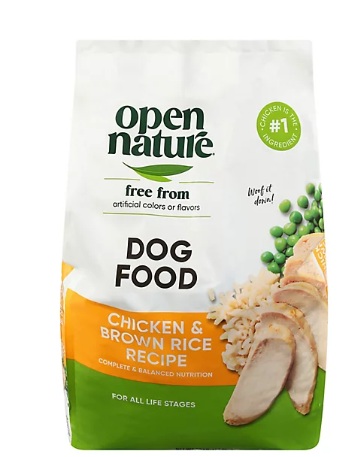
When more than one ingredient appears in the name, no single ingredient can be less than 3% of the total product by weight. Because the first-listed ingredient appears first in the name, there must be more of it than the second. A product named "Chicken and Rice Cat Food" must contain more chicken than rice, and both combined must hit the 95% threshold.
Worth noting: there's also a 100% rule that applies to certain treat products. "All-beef jerky dog treats" must be all-beef meat with the exception of water added for processing, decharacterizing agents, and trace amounts of preservatives and condiments. It's unlikely anything other than a treat product will meet that threshold.
The 25% Rule: The "Dinner" Zone
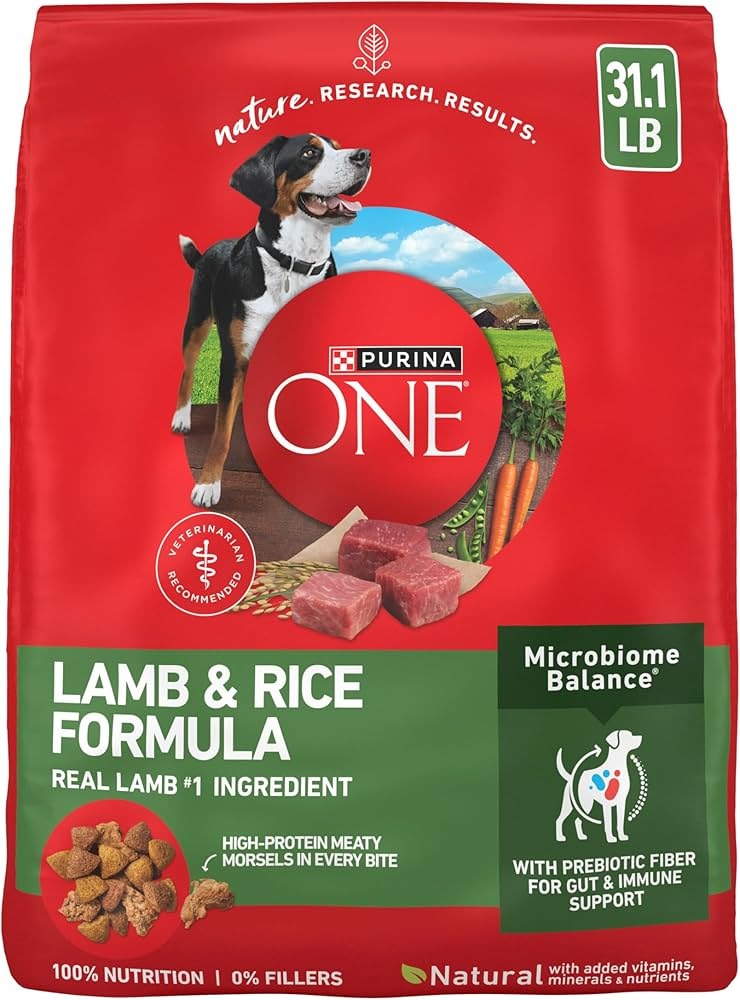
The 25% rule covers products with names like "Chicken Dinner for Dogs," "Lamb and Rice Formula," or "Chicken, Rice, and Pumpkin Platter for Puppies." These names include an additional descriptor such as "dinner," "entrée," "platter," "formula," or "recipe." The named ingredient must make up at least 25% of the product, not including added water, and at least 10% including it.
Here's where brands frequently run into trouble: A product labeled "Chicken Dinner for Dogs" only needs to contain 25% chicken, which means up to 75% of the product could be something else entirely: grains, vegetables, other proteins. If two ingredients are named under the 25% rule, for example "Chicken and Turkey Dinner for Dogs," both chicken and turkey combined must make up 25% of the total, but neither can account for less than 3% of the total.
The 25% rule is where well-intentioned brands often end up in naming mismatches. They choose a product name that sounds high-content, but they're technically in "dinner" territory. The fix usually requires label changes, and those are far less expensive before the bags are printed.
Not sure if your labels are compliant? Take this 2-minute quiz to find out!
The 3% Rule: "With" Is a Specific Promise
The "with" rule indicates that the named ingredient comprises at least 3% of the food by weight, excluding water.
"Dog Food with Chicken" tells a consumer there's at least 3% chicken. This rule exists so brands can call out a featured-but-minor ingredient without misrepresenting the formula, but it's frequently misapplied in both directions. We've seen brands use "with" language when their product contains 30% of the named ingredient, which creates a different problem: consumers may assume the product is lower-content than it is and potentially choose a competitor's product instead.
The word "with" is doing regulatory heavy lifting in a product name. It should be chosen deliberately, not by default.
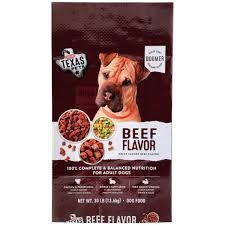
The Flavor Rule: The Most Minimal Claim of All
A "Beef Flavor Dog Food" only needs to have a detectable amount of beef, often provided by stock or broth. There's no minimum percentage threshold, only that the flavor be detectable, typically verified through an animal feeding preference test or some form of analytical detection.
This rule gives brands maximum formulation flexibility while still allowing a named ingredient to appear in the product name or elsewhere on the product label. It also comes with real consumer perception risk. If your packaging emphasizes beef and the actual beef content is negligible, you may be technically compliant while still drawing scrutiny from retailers, consumers, and state regulators who evaluate whether labeling is misleading in context.
Why the Co-Manufacturer Situation Complicates Everything
If you’re working with private label or co-manufacturing partners, you're responsible for your label, even if someone else makes the product.
If the guarantor is not the actual manufacturer, the name and address on the label must be preceded by words such as "manufactured for" or "distributed by." The party listed on the label is the responsible party. It's a signal of where compliance accountability lives.
If your co-manufacturer uses an ingredient formulation that puts your named ingredient below the threshold required by your product name, the enforcement action lands on you. This is especially important as AAFCO's new model regulations continue rolling out.
To allow state regulatory programs time to incorporate the guidelines, AAFCO recommended a six-year enforcement discretion period, and both AAFCO and NASDA encourage state authorities to allow distribution of products that comply with either existing regulations or the new model regulations. That discretion period won't last forever, and it doesn't eliminate your responsibility to get the naming right now.
What Happens If You Get This Wrong
Naming violations can trigger:
Registration rejections
State departments of agriculture review product names as part of the registration process. A name that doesn't match your formula's actual ingredient percentages can result in a rejected application, which means delays before you can legally sell in that state.
Label reprints
Fixing a non-compliant product name after packaging is already printed is expensive. The earlier you catch it in the development cycle, the less it costs.
Retailer friction
Retailers are increasingly asking for compliance documentation before onboarding new brands. A labeling issue flagged during their review process can stall or kill a listing opportunity. Here’s what retailers are looking for when they partner with pet food brands.
Consumer complaints
When a shopper buys "Chicken Dinner for Dogs" expecting a high-chicken product, finds out it's primarily grain, and leaves a review about it, that's a trust problem that naming compliance could have prevented.
How to Check Your Own Product Names
Before you finalize any product name, run through these questions:
What percentage of the named ingredient does my formula actually contain?
Get this number from your co-manufacturer or formulation records, and confirm whether it's calculated with or without water for processing.
Does my product name match that percentage?
Map it against the four rules above. If you're at 40% chicken, "Chicken for Dogs" doesn't work, but "Chicken Entrée for Dogs" or "Chicken Recipe for Dogs" does.
Are there multiple named ingredients?
The minimum threshold for all categories except flavor is 3% per named ingredient—make sure each one clears that bar. Then confirm they're listed in descending order of quantity and that their combined percentage qualifies under the applicable rule.
Am I using qualifying descriptors correctly?
Words like "dinner," "entrée," and "formula" aren't just marketing language, they're regulatory signals that tell the state (and the consumer) which rule your product falls under.
Have I reviewed my label for all required elements?
Product naming is just one piece. If you haven't run a full label review recently, our free 2-minute quiz to avoid expensive labeling mistakes is a good starting point.
Fix Problems Before You Print The Bags
The AAFCO naming rules reward brands that understand them and create risk for those that don't. The gap between "Chicken for Dogs" (95% chicken) and "With Chicken" (3% chicken) is the difference between a compliant product and one exposed to enforcement, retailer rejection, or consumer backlash.
If you're working on a new launch, reformulating an existing product, or inheriting a label that you're not sure about, this is the right moment to get clarity. Our team works with brands at every stage, from first formula to national distribution, to make sure naming, labeling, and state registrations are all aligned before anything goes to print.
Reach out to us here and let's take a look at what you've got!
More Industry Updates
Join Our Newsletter
Good stuff only — we promise!

