
To get access to the PAW platform or create an account or access please contact rc@petfoodcompliance.com.
The Plain-Language Guide to Current Good Manufacturing Practices for Pet Food

Imagine seeing your company’s name showing up all over social media, in trade magazines, on government websites, and even earning its own Reddit thread - seems great, right?
But what if all that free publicity is due to … salmonella and listeria? 😬
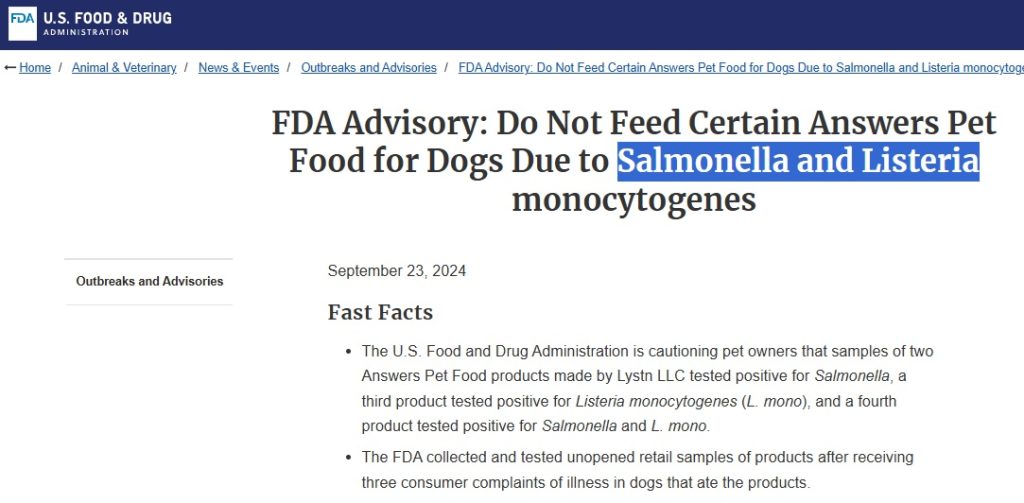
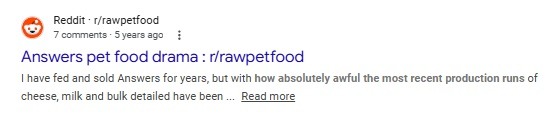
Regrettably, that’s exactly what happened to Answers Pet Food in 2024.
Lab analysis of four sampled product lots confirms the presence of Salmonella and/or Listeria. The FDA concluded that the company failed to identify and implement the preventive controls that could have caught this before it became a public safety issue.
By June 2025, a formal warning letter had been issued, and the brand's reputation was in a very different place than it had been twelve months earlier.
Stories like this obviously don’t start with bad intentions. They start with gaps in documentation, sanitation procedures, or the foundational food safety infrastructure that holds everything else together.
That infrastructure has a name: Current Good Manufacturing Practices, or CGMPs.
If you're manufacturing pet food in the U.S. — or planning to — this is your plain-language guide to what CGMPs require, why they matter, and how to build a program that keeps you on the right side of the FDA.
Related: A few months ago, we sponsored a great workshop with Pet Food Forum’s “Ask A Petfood Pro” series Ramparts Of A Strong Food Safety System. Super helpful and applicable to this topic!
What Are Current Good Manufacturing Practices (CGMPs)?
CGMPs are the FDA's minimum standards for how animal food — including pet food — must be manufactured, processed, packed, and held. They're codified in 21 CFR Part 507, Subpart B, which was finalized as part of the Food Safety Modernization Act (FSMA) in 2015.
Think of CGMPs as the foundation of your food safety program. They don't address every possible hazard your product might face — that's what preventive controls are for — but without a solid CGMP foundation, even the best hazard analysis won't hold up. As the FDA puts it in its guidance for industry, CGMPs serve as a prerequisite: the baseline that makes everything else work.
If you're already familiar with the broader regulatory landscape (the FDA, AAFCO, and state-level requirements) you can think of CGMPs as the "how you run your facility" piece of the puzzle.
Who Has to Follow CGMPs?
If your facility is required to register with the FDA because you manufacture, process, pack, or hold animal food for consumption in the U.S., CGMP requirements apply to you.
That covers:
- Pet food manufacturers (dry, wet, raw, freeze-dried, and more)
- Co-manufacturers and private label producers
- Brands manufacturing in-house, even at small scale
- Facilities handling ingredients that will go into finished animal food
There are limited exemptions and those are primarily for certain on-farm activities and very small qualified facilities. But for the vast majority of pet food brands, CGMPs aren't optional.
The Six Core Areas CGMPs Cover
1. Personnel
Everyone working in direct contact with animal food, food-contact surfaces, or food packaging has to follow hygienic practices that protect against contamination. We're talking hand washing, appropriate clothing and protective gear, keeping employees who are ill away from food-contact areas, and making sure your team understands why these practices matter, not just that they're required.
Training is a documented requirement, and inspectors will ask to see proof of it.
2. Plant and Grounds
Your facility's physical environment matters. The grounds around your plant need to be maintained to eliminate pest attractants, and the building itself has to be designed and maintained to prevent contamination. You need proper drainage, no entry points for pests, adequate lighting, sufficient ventilation.
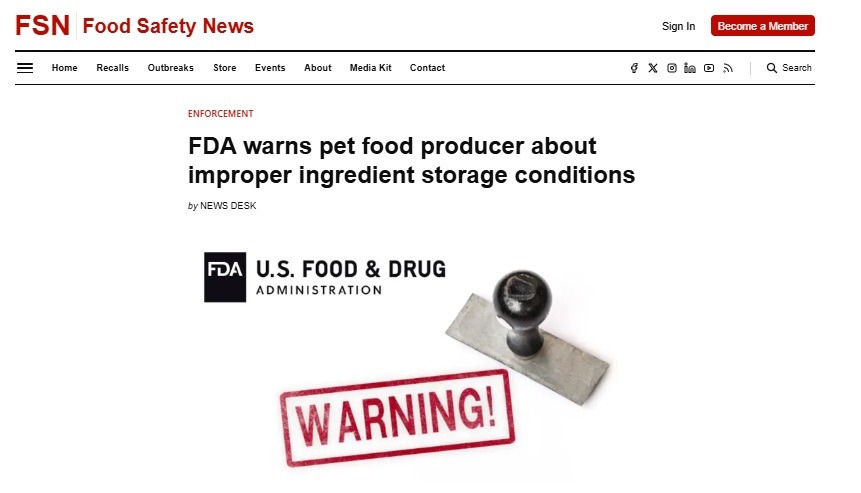
A 2024 FDA warning letter to Reconserve Inc. cited ingredients stored outside on bare gravel, uncovered and exposed to birds, rodents, insects, and rainfall. They'd been stored that way since a facility fire in February 2023. What began as a temporary fix became a significant enforcement action. A good reminder to us all that "we'll deal with it later" is rarely a safe plan when it comes to your facility.
3. Sanitation
Your facility needs documented sanitation procedures and those procedures need to be followed. That means cleaning schedules, approved sanitizers used correctly and for the right contact time, and verification that sanitation is working.
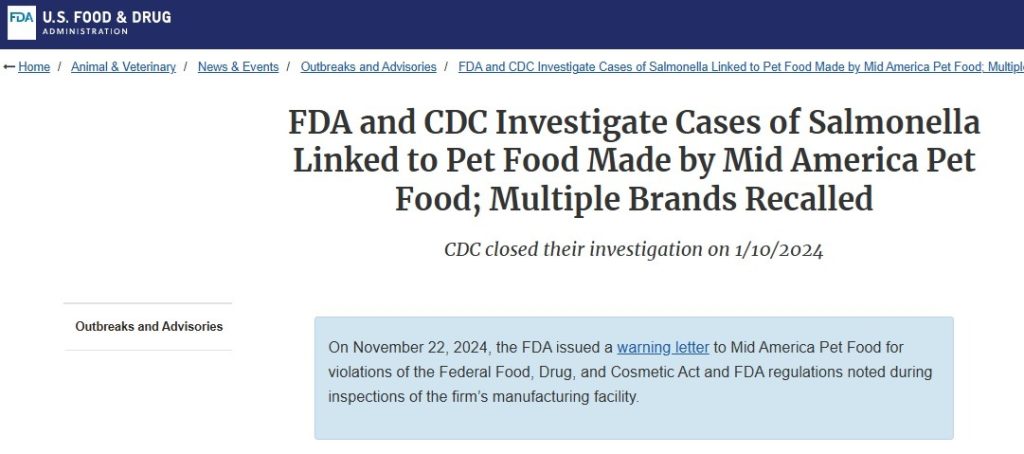
The 2024 FDA warning letter to Mid America Pet Food is one of the more sobering examples of what can happen when sanitation gaps go unaddressed. Their brands — Victor, Eagle Mountain, Wayne Feeds — were linked to a Salmonella outbreak that sickened seven people across seven states, six of them children under one year of age.
Even after a voluntary recall and a facility-wide deep clean, inspectors returned and found the sanitation deficiencies hadn't been resolved. The warning letter came nearly a year after the original recall. Inspectors do come back.
4. Equipment
Manufacturing equipment has to be designed to be cleanable, properly maintained, and used in a way that doesn't create contamination risk. No dead zones where product can accumulate, no rust or corrosion on food-contact surfaces, calibrated instruments wherever measurements matter to safety.
5. Plant Operations
This is the actual day-to-day manufacturing piece: how raw materials are inspected when they arrive, how they're stored and handled, how the finished product is protected before it ships. Ingredients that arrive damaged, contaminated, or outside spec need to be identified and controlled.
6. Recordkeeping
Say it with us: if it isn't documented, it didn't happen! CGMPs require records that show your practices are being followed consistently; you should have training logs, sanitation records, supplier documentation, ingredient receiving logs. Those records become your best defense if you ever face an inspection, a consumer complaint, or a recall situation.
CGMPs and FSMA Preventive Controls: How They Fit Together
CGMPs and Preventive Controls work together, but they're not the same thing. CGMPs are your baseline — sanitation, personnel hygiene, facility maintenance.
Preventive Controls (also under 21 CFR Part 507) are the risk-based layer on top: a formal hazard analysis, identification of hazards that require control, and documented measures to prevent or minimize those hazards.
A helpful way to think about it: CGMPs reduce the likelihood that hazards occur in the first place. Preventive Controls address the hazards that could still show up even with strong CGMPs in place.
Most pet food facilities that aren't very small businesses are subject to both and increasingly, what retailers expect from your compliance documentation reflects both layers of this framework. If you're eyeing wholesale or national distribution, your compliance posture matters to buyers before you ever get to contract negotiations.
Practical Steps for Getting Your CGMP Program in Order
Whether you're preparing for a launch or taking stock of an existing operation, here's where to put your energy:
Write your SOPs and make sure your team actually uses them.
Standard operating procedures for sanitation, receiving, pest control, and personnel hygiene are your roadmap for consistent execution and your defense if something goes wrong.
Train your team and document it.
"We covered this during onboarding" won't hold up in an inspection. You need records: who was trained, on what, and when.
Walk your facility like an FDA investigator would.
Look at pest entry points, equipment condition, sanitation logs, and how incoming ingredients are being stored and inspected. If something would be hard to explain to an outsider, that's worth fixing before someone with a badge asks about it.
Get your supplier documentation current.
CGMP compliance doesn't stop at your receiving dock. Certificates of analysis, supplier specs, and traceability records are all part of demonstrating that your inputs are safe. We've written about how analytical variation and documentation gaps can create real problems even when your formulation intent is solid.
Build your food safety plan if you're subject to Preventive Controls.
A qualified individual needs to lead that process and it's not a one-and-done document. It needs to be revisited as your products, ingredients, and processes change.
You Don't Have to Figure This Out Alone
CGMPs are genuinely manageable, but they do require intention, consistency, and follow-through. The brands that find themselves in trouble are usually the ones who meant to get around to this … and didn't.
If you're not sure where your facility stands, or you're building this from scratch and want to get it right from the start, we'd love to be part of that process. We work with brands at every stage, from startups mapping out their first facility requirements to established manufacturers who need a clear-eyed compliance review before a retailer audit.
Reach out and let's talk through where you are and what you need!
More Industry Updates
Join Our Newsletter
Good stuff only — we promise!

